Selling Real Estate While a Bankruptcy Case Is Involved
Can You Sell a House During Bankruptcy in Texas?
A house can sometimes be sold before, during, or after bankruptcy, but the process changes once a bankruptcy case has been filed. The first question is not simply what the property is worth or how quickly a buyer can close. You need to know who currently has authority over the property and what approvals are required before ownership can legally transfer.
A homeowner searching for ways to sell my house fast during bankruptcy should separate two different questions. A home buyer can evaluate the property and make an offer, while a bankruptcy attorney determines whether the homeowner, a trustee, or another party has authority to approve and complete the transaction.
Green Door Home Buyers buys houses directly throughout the Houston-Galveston region. We can handle the real estate side of a possible cash purchase, but we are not a bankruptcy law firm and cannot tell you whether your case permits a sale.

Filing bankruptcy generally creates a bankruptcy estate that includes the debtor’s legal or equitable interests in property at the time of filing. That does not automatically mean every homeowner will lose a house or that a sale is impossible. Chapter 7 versus Chapter 13, available exemptions, the amount of equity, existing liens, and the status of the bankruptcy case can all affect what happens next.
Your bankruptcy attorney should be involved before you sign or close on a transaction while a case is pending. The legal authority to sell can matter more than how quickly a potential buyer is prepared to purchase the property.
Start With Your Bankruptcy Case Status
Before setting a closing date, confirm whether a bankruptcy petition has already been filed, which chapter applies, whether the house has been claimed as exempt, whether a trustee has an interest in the property, and whether court approval is required. Those answers can matter more than the buyer’s preferred timeline.
The Type of Bankruptcy Matters
The Bankruptcy Chapter Changes How a Home Sale Is Handled
Bankruptcy is not one single process. The rules surrounding a house can look different before filing, during Chapter 7, and during an active Chapter 13 repayment plan.
Before Bankruptcy Is Filed
A sale that takes place before a bankruptcy filing can still become relevant to the later case. A recent contract, transfer, deposit, or sale proceeds may need to be disclosed in bankruptcy paperwork.
Someone considering both bankruptcy and a home sale should tell their attorney about the property before committing to a transaction. An offer can provide useful real estate information, but the attorney handling the bankruptcy should explain how the timing could affect the filing.
Selling a House in Chapter 7
Chapter 7 involves a bankruptcy trustee who administers property of the bankruptcy estate. Whether the debtor can sell the house personally can depend on whether the property is exempt, whether the trustee has abandoned an interest in it, and whether the estate has equity worth administering.
Do not assume that being named on the deed is enough to complete a sale while Chapter 7 is open. Your attorney can determine who has authority to negotiate, sign, and close based on the status of the property in the case.
Selling a House in Chapter 13
A Chapter 13 debtor generally remains in possession of property while making payments under a repayment plan, but that does not mean real estate can always be sold like an ordinary transaction. A sale may require coordination with the trustee, bankruptcy court, creditors, and the terms of the confirmed plan.
The Southern District of Texas publishes a Chapter 13 form titled “Ex Parte Motion To Sell Exempt Property.” Houston homeowners should involve their bankruptcy attorney before treating an accepted real estate offer as ready to close.
A Fast Buyer Does Not Replace Bankruptcy Approval
Start With Authority to Sell, Not a Promised Closing Date
A buyer may be able to evaluate a property quickly, but bankruptcy requirements control whether the transaction can actually close. Court calendars, trustee review, creditor notice, title issues, and required motions can all affect timing.
That distinction matters when comparing cash home buyers. A responsible buyer should be willing to coordinate the real estate transaction around the approvals your bankruptcy attorney says are necessary rather than suggesting that bankruptcy rules can simply be bypassed.
Already Have a Bankruptcy Attorney?
Tell your attorney that you are considering selling the property and ask what documentation they need from a potential buyer.
You can then call (832) 843-2780 or request a cash offer online for the real estate side of the evaluation.
Documents Can Matter as Much as Property Condition
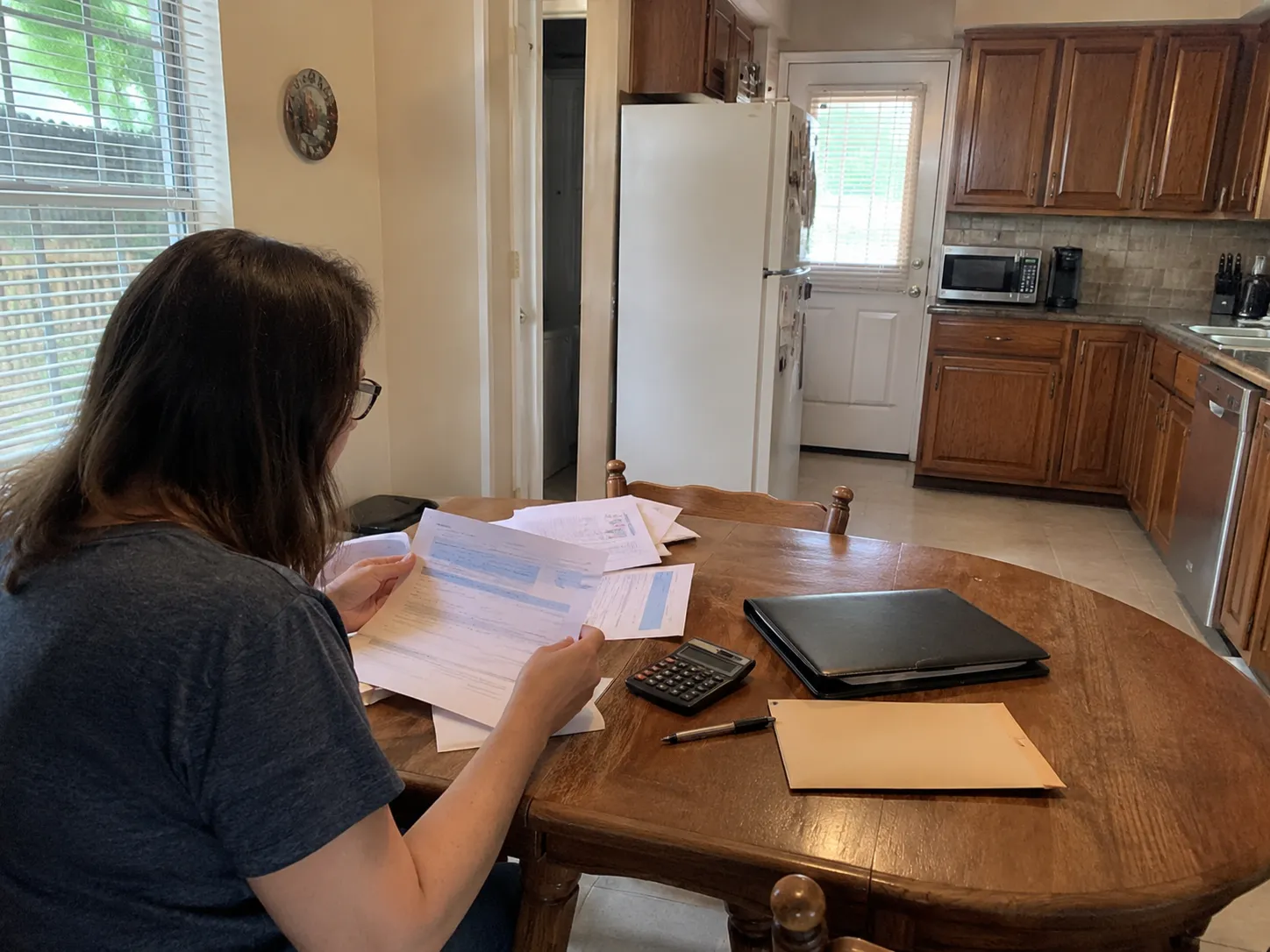
What Information May Be Needed Before a Bankruptcy Home Sale
A normal cash sale starts with information about the property. A bankruptcy-related sale may require another layer of documentation because the people reviewing the transaction need to understand both the house and the bankruptcy case.
Basic real estate information can include the property address, current mortgage statement, approximate mortgage payoff, ownership shown on the deed, property tax status, HOA information, known judgments or liens, and any recent valuation information.
Your bankruptcy attorney may also need information about the case itself before determining how a proposed sale should be handled.
Bankruptcy Case Information
Relevant case information may include the bankruptcy case number, chapter, trustee information, schedules showing how the house was disclosed, exemption information, and details about the repayment plan if you are in Chapter 13.
Once a buyer makes an offer, your legal team may also need the proposed purchase agreement and an estimate showing expected proceeds after mortgages, liens, taxes, and other authorized charges are addressed.
The exact paperwork depends on the case. Your attorney should determine what must be filed, disclosed, or submitted for approval.
Keep the Roles Separate
Your bankruptcy attorney handles exemptions, motions, court requirements, trustee questions, and advice about what happens to proceeds.
The title company handles title research and closing documents.
A buyer such as Green Door Home Buyers evaluates the property and provides the proposed purchase terms for the appropriate parties to review.
Home Equity Can Change the Bankruptcy Conversation
Equity is one of the most important numbers in a bankruptcy-related home sale. It is not simply the asking price of the house. A rough equity estimate starts with the property’s current value and subtracts mortgages and other liens secured by the property. The amount that would actually remain after a sale can be different once taxes, authorized costs, and other claims are considered.
Little or No Equity
A property with little equity may create a different set of decisions than a house with substantial value above the mortgage balance. The trustee, lender, and bankruptcy attorney may each have different concerns depending on the chapter and the role of the property in the case.
Do not assume that a low estimated equity amount automatically means the house can be sold without bankruptcy review.
Substantial Home Equity
Texas provides significant homestead protections under state law, but how exemptions apply in a bankruptcy case depends on the homeowner’s facts, exemption choices, property use, and applicable bankruptcy law.
A homeowner should not assume that all net sale proceeds will automatically be available to spend after closing. Ask your bankruptcy attorney how a proposed sale and any resulting proceeds would be treated before agreeing to a disposition of the property.
Title Issues Still Have to Be Resolved
Bankruptcy Does Not Automatically Remove Every Lien From a House
Discharging personal responsibility for a debt and clearing a lien from real estate are not always the same thing. A bankruptcy discharge does not automatically mean that every mortgage, tax claim, judgment lien, HOA claim, or other encumbrance has disappeared from the property’s title.
Before a Houston-area home can transfer with marketable title, the title company generally needs to identify the interests affecting the property and determine what must be paid, released, avoided, approved, or otherwise addressed. A mortgage payoff is an obvious example, but older liens or judgments may also require additional documentation.
Bankruptcy can make some title questions more technical. A judgment debt may have been discharged while a recorded lien still requires separate analysis. Other liens may not have been discharged at all.
A direct cash sale can reduce repairs, showings, buyer financing, and agent commissions, but it does not eliminate valid liens or obligations imposed by the bankruptcy court.
Two Issues Can Happen at the Same Time
Bankruptcy and Foreclosure Can Overlap
A bankruptcy filing generally creates an automatic stay that pauses many collection activities, including many foreclosure actions. The stay is important, but it should not be treated as a permanent guarantee that a foreclosure can never continue.
Mortgage creditors can ask the bankruptcy court for relief from the stay in certain circumstances. The rules can also be different when a homeowner has had previous bankruptcy cases.
If mortgage default is part of the reason you are considering a sale, compare the bankruptcy timeline with the lender’s foreclosure timeline. Our page about selling a house while facing foreclosure covers the real estate side of that situation in more detail.
A Sale Is Not the Same as Stopping Foreclosure
Bankruptcy law may temporarily change what the lender can do. A completed sale changes ownership of the property and can allow a mortgage to be paid from the transaction when there is sufficient value and the sale has been properly authorized.
Those are different legal events. Someone considering a sale because of missed mortgage payments should not rely on a buyer to explain when a foreclosure can resume or how long the automatic stay will remain in effect.
Your mortgage servicer can provide information about the loan and foreclosure status. Your bankruptcy attorney can explain the effect of the bankruptcy filing. A home buyer can tell you what it is willing to pay for the property.
Keeping those roles separate makes it easier to compare actual options instead of making a decision based on assumptions about deadlines.
Compare the Transaction, Not Just the Sale Price
Listing a House vs. Selling Directly During Bankruptcy
Bankruptcy does not automatically make a cash sale the better choice. The right selling method depends on the property, available time, expected proceeds, required approvals, and what matters most in the bankruptcy case.
Traditional Market Listing
Listing with an agent can provide broad market exposure and may make sense when maximizing the retail sale price is the main objective. A market-ready Houston property with adequate time for showings, inspection negotiations, appraisal, and buyer financing may benefit from that exposure.
Bankruptcy requirements still apply. Listing a house on the MLS does not remove the need for any trustee or court approval that would otherwise be required. Repairs, commissions, concessions, financing contingencies, and the expected net proceeds may also need to be considered when the proposed transaction is reviewed.
For a property with significant equity, comparing a traditional listing with a direct offer can be especially worthwhile before choosing a route.
Direct Sale to Cash Home Buyers
A direct buyer can provide a specific purchase offer without first marketing the home to the public. That can be useful when your attorney, trustee, or court needs actual proposed sale terms rather than an estimate of what a future retail buyer might pay.
Green Door Home Buyers is the buyer rather than an agent listing the property for a third party. We buy houses in as-is condition, so the offer can account for repairs that have not been completed. The site’s direct-sale model also does not involve an agent commission, and Green Door Home Buyers states that it covers the real estate closing costs associated with its purchase.
Those real estate savings do not mean bankruptcy attorney fees, liens, taxes, trustee distributions, or other obligations connected with the case disappear. The bankruptcy professionals involved should determine how the proposed sale affects the estate and proceeds.
What Green Door Home Buyers Can Handle and What Belongs With Your Bankruptcy Professionals
A bankruptcy home sale can involve several professionals working on different parts of the same transaction. Knowing where the home buyer’s role ends helps prevent confusion.
The Real Estate Purchase
Green Door Home Buyers can review the house in its current condition, discuss the property details, evaluate local market information, and provide a direct purchase offer. If the offer is acceptable and legally authorized, we can coordinate the purchase with the title company and the professionals involved in the bankruptcy case.
Because the home is evaluated as-is, sellers do not have to renovate simply to find out what a direct buyer may pay. That can be relevant when spending additional cash on repairs would be difficult or when the bankruptcy case makes large expenditures something the homeowner wants to discuss with counsel first.
You can read more about our general buying model on the home buying FAQ and learn more about the company on the About Green Door Home Buyers page.
The Bankruptcy Case
Green Door Home Buyers cannot tell you whether to file bankruptcy, whether Chapter 7 or Chapter 13 is appropriate, whether your house is exempt, whether a trustee can sell the property, whether the court will approve a proposed sale, or how much of the proceeds you may keep.
Those questions belong with a qualified bankruptcy attorney. Questions about tax consequences may also require a tax professional, while your mortgage servicer remains the appropriate source for current loan and payoff information.
A buyer should not replace any of those professionals. Our role is to provide the real estate information and proposed transaction terms they may need to evaluate the sale.
Local Home Buying Across the Houston-Galveston Region
Selling a House During Bankruptcy in the Houston Area
Bankruptcy-related property sales can involve homes throughout Harris County and the surrounding Houston-Galveston region. Green Door Home Buyers purchases houses in Houston as well as communities north, south, east, and west of the city.
A property in Baytown may have different market conditions from one in Conroe. Homes closer to the coast in Galveston can raise different property-condition and insurance questions than a house farther inland. Our buying area also includes communities such as Friendswood, League City, and Lake Jackson.
Location affects the property’s value and title work, but it does not replace the bankruptcy analysis. The treatment of the home still depends on the case, the debtor’s ownership interest, liens, exemptions, equity, and any required legal approval.
Homeowners can also review feedback from people who have worked with Green Door Home Buyers before deciding whether a direct home sale is worth comparing with other options.
A Real Estate Offer Can Be One Piece of the Bankruptcy Process
How to Request a Cash Offer Without Skipping the Legal Steps
Confirm the Case Status
Tell your bankruptcy attorney that you are considering a home sale. Ask whether you currently have authority to seek or accept an offer and what documents or contingencies should be included.
Get a Property Offer
Provide basic information about the house to Green Door Home Buyers. We can evaluate the property as-is and provide proposed purchase terms that you can review with the professionals handling the bankruptcy.
Coordinate Approval and Closing
If the offer is a fit, your attorney can handle any required bankruptcy filings or approvals while the buyer and title company work through the real estate and title requirements.
Questions to Ask Before You Sell a House During Bankruptcy
Before deciding how to sell, ask your bankruptcy attorney who currently has authority over the property, whether a proposed sale needs court or trustee approval, how the house is treated under your exemptions, and what would happen to any net proceeds. Those answers give you a much better basis for evaluating a buyer’s offer.
On the real estate side, compare the proposed purchase price, expected repairs, commissions, closing expenses, financing contingencies, and likely timeline. A cash offer should be compared with the realistic net result of your other options rather than only the property’s possible retail asking price.
There is no obligation to accept an offer from Green Door Home Buyers. A homeowner can use the information to compare a direct sale with listing the property or another plan recommended by their attorney.
Get the Real Estate Information Your Bankruptcy Team May Need
Talk With Houston Cash Home Buyers About the Property
If a home sale is one of the options you are considering, Green Door Home Buyers can evaluate the property and explain how our direct buying process works. We cannot provide bankruptcy advice, but we can provide the real estate side of a proposed transaction for you and your attorney to review.
Call (832) 843-2780 or request a cash offer online. If you are already in an active bankruptcy case, let us know so the transaction can be coordinated around the requirements identified by your attorney.